July 07, 2026 | 11:45
Partners
Society
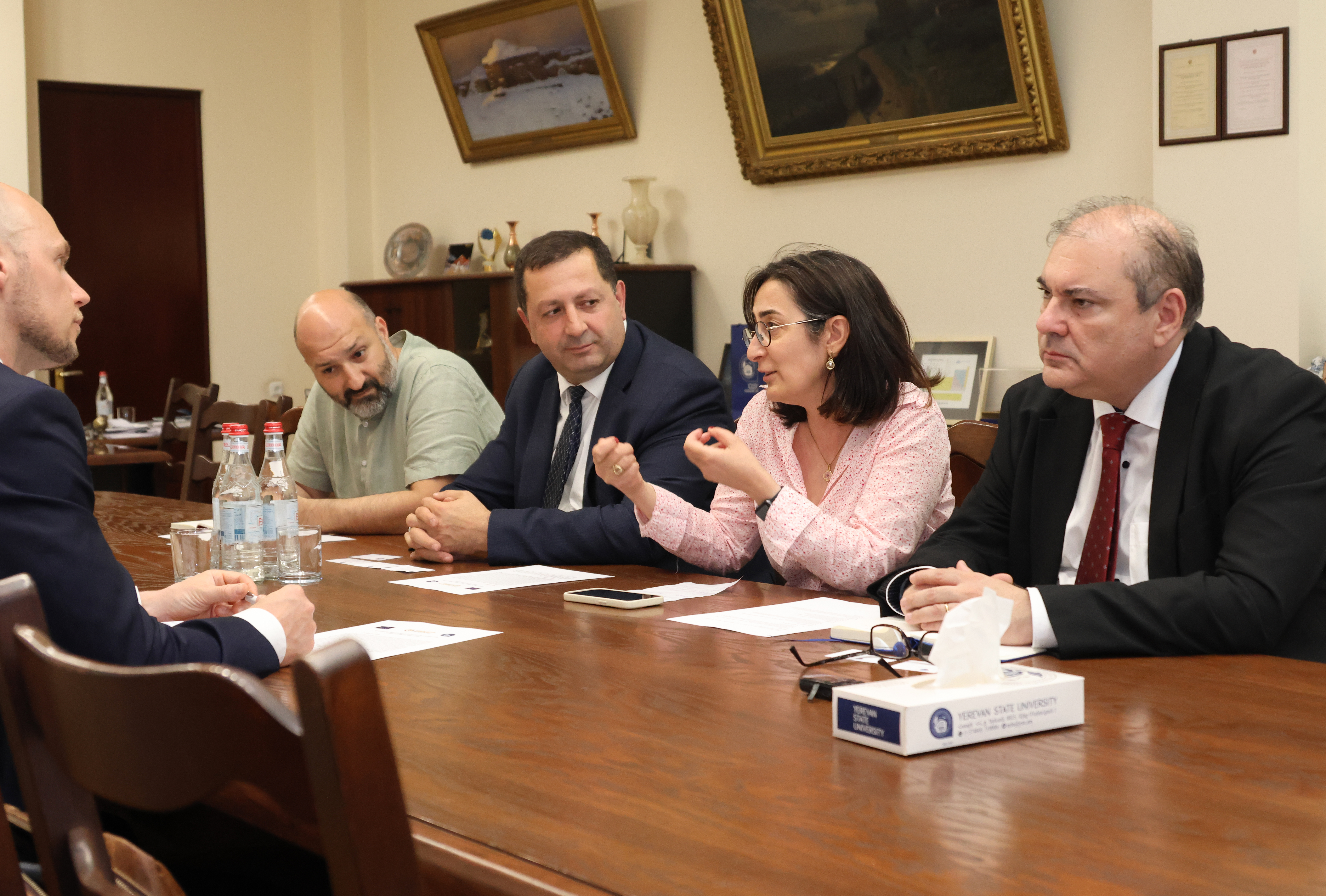
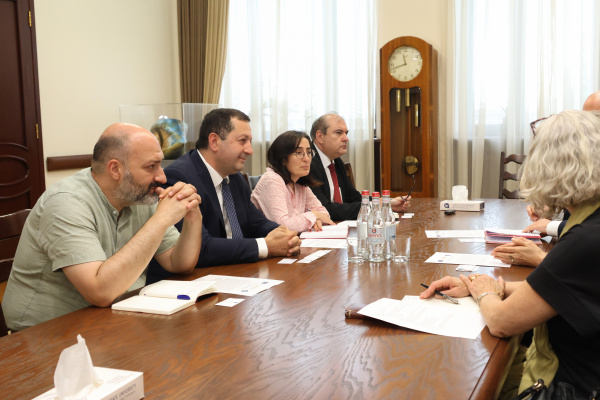
During the visit, the participants discussed YSU's international cooperation programs, EU-supported educational initiatives, and the university's work in conflict transformation.
At the start of the meeting, YSU Rector Hovhannes Hovhannisyan presented the university's main areas of activity, its international cooperation agenda and reforms implemented in education and science in recent years.
According to the rector, YSU, as Armenia's leading university, actively collaborates with universities worldwide, particularly through the Erasmus+ program. He also emphasized that the new Law on Higher Education opens new prospects for YSU's internationalization, enabling the university to offer educational programs in different languages and expand the involvement of international students.
Hovhannisyan also addressed the international accreditation of educational programs, noting that for several years YSU has been pursuing accreditation in line with European quality assurance standards.
During the meeting, special attention was paid to the EU-supported Graduate Certificate Program in Conflict Resolution and Mediation.
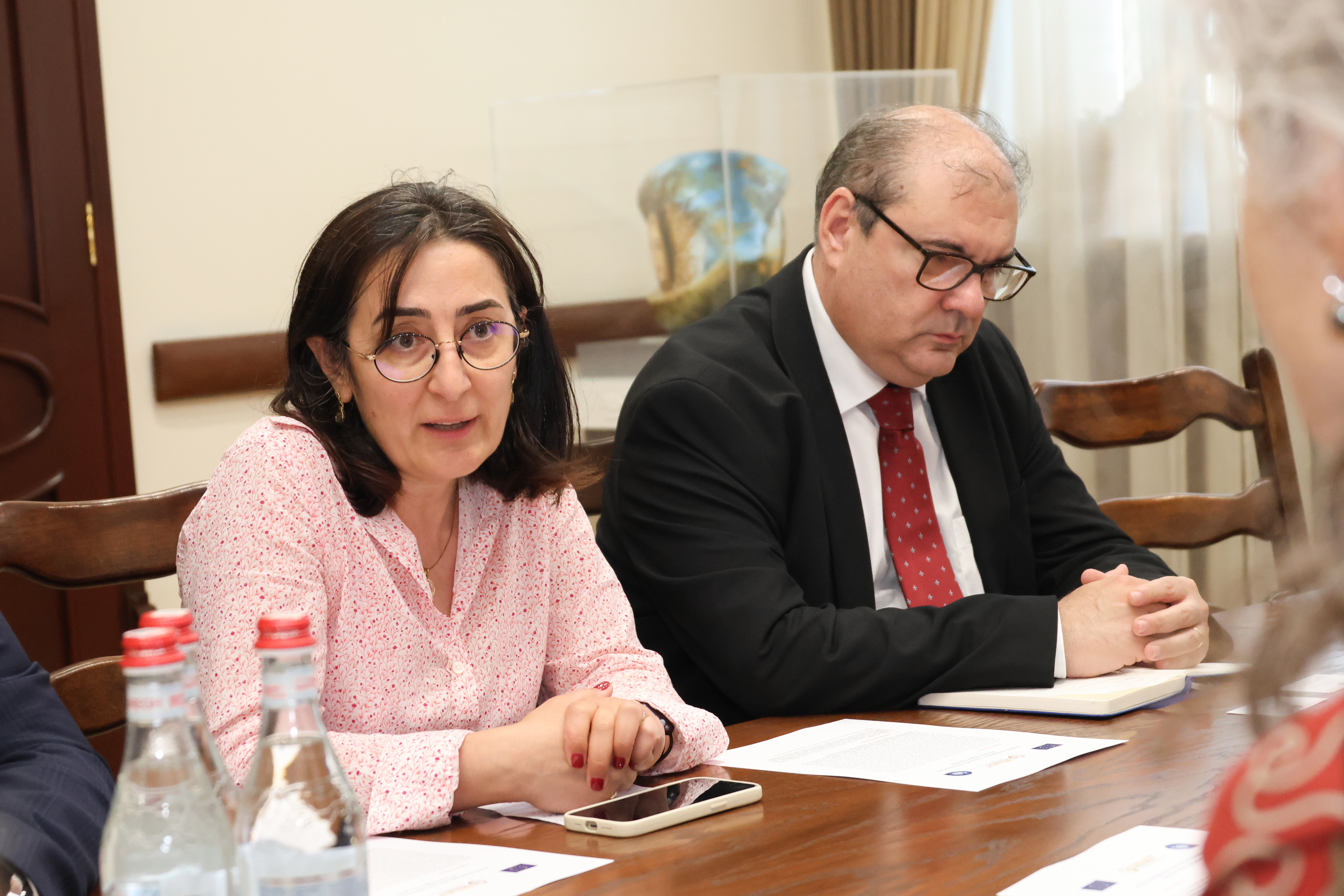
Lusine Kharatyan, Director of the YSU Continuing Education Center, presented the program's results, noting that the first phase had already been completed, with 12 participants graduating successfully. She said courses had been developed on conflict resolution theory, mediation and research methods, while work is now underway to create an interdisciplinary master's program.
Kharatyan also noted that training courses are being held within the framework of the program for public servants, history teachers and university lecturers. According to her, interest in the program has grown significantly. This year, 357 public servants registered for training courses on conflict management and negotiations.
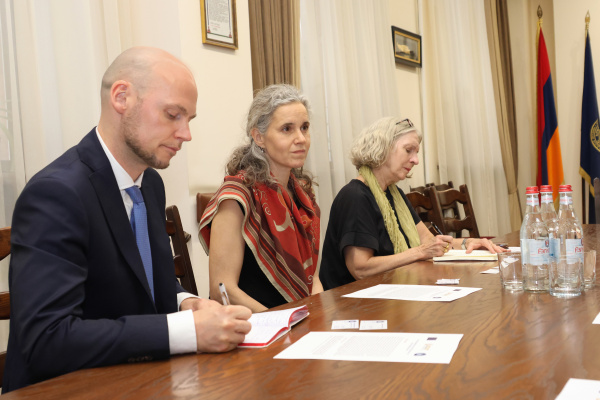
"I am confident that the master's program will also generate great interest. There is no such program in Armenia today. Given the specifics of our region, the need for it is obvious. This is not only about an educational program, but also about establishing a university-based think tank grounded in scientific analysis," she said.
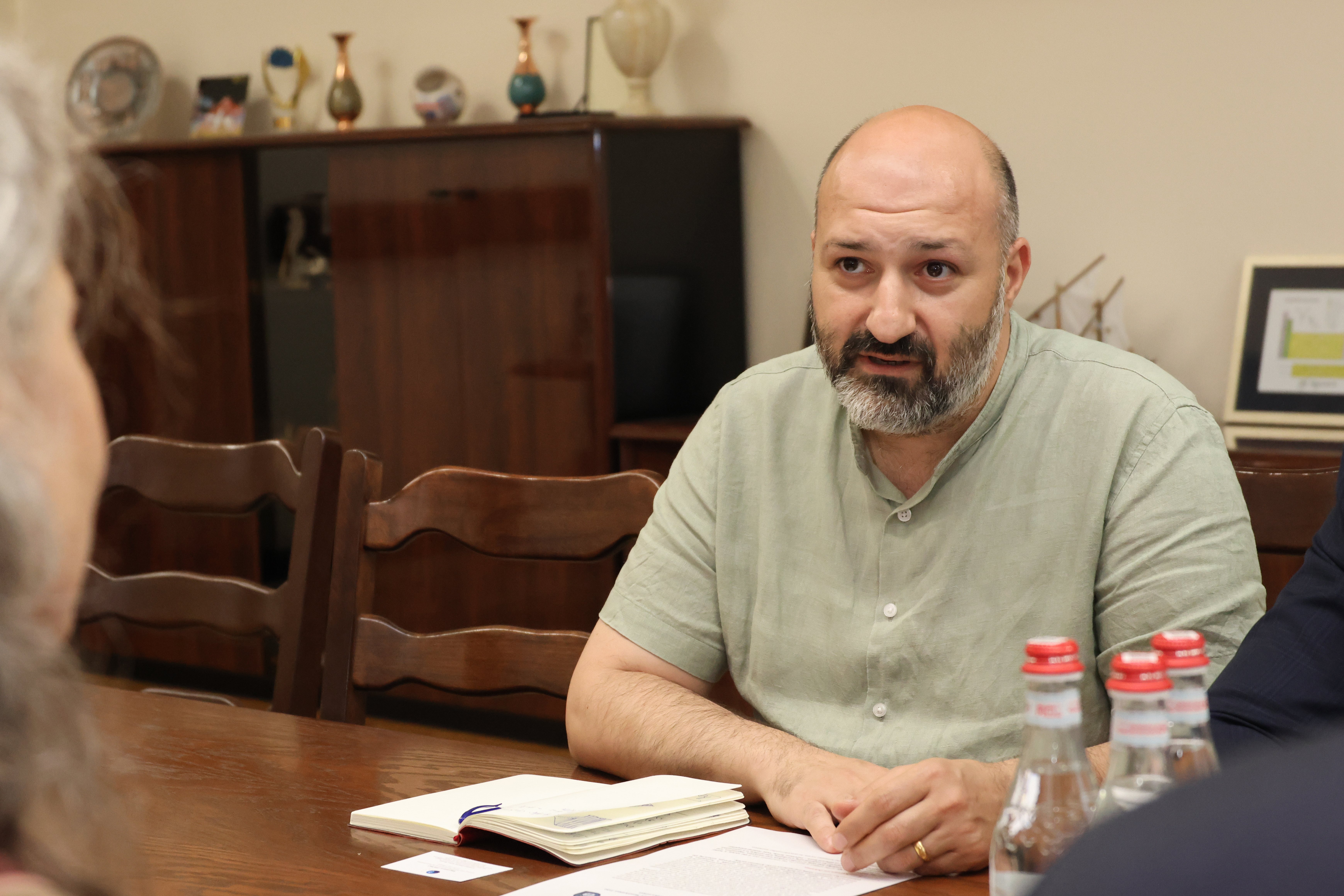
Mikayel Hovhannisyan, YSU Vice-Rector for International Cooperation, Development and Innovation, said such programs are important not only for training specialists, but also for advancing research and making effective knowledge-based decisions.
"YSU is the higher education institution that supports society and the government through its expertise. We have many examples of this, such as the Demographic Research Center, which helps advance the implementation of strategies. Such initiatives are also very important for evidence-based policymaking and the more effective implementation of reforms," Mikayel Hovhannisyan emphasized.
He also stressed that building long-term, sustainable peace requires not only emotional, but also professional and intellectual preparedness. It is precisely here, he said, that science once again becomes critically important.
"We aim to form a group for the European political assessment of Armenian history. Long discussions have been held around this idea, and we are now gradually approaching its implementation. The university is one of the few state but non-governmental institutions that has existed throughout the First, Second and Third Republics of Armenia. This means that, from the university's perspective, it is possible to examine the history of modern Armenia in a very neutral and interesting way, creating an opportunity to properly reassess the past and get rid of deeply rooted stereotypes," he said.
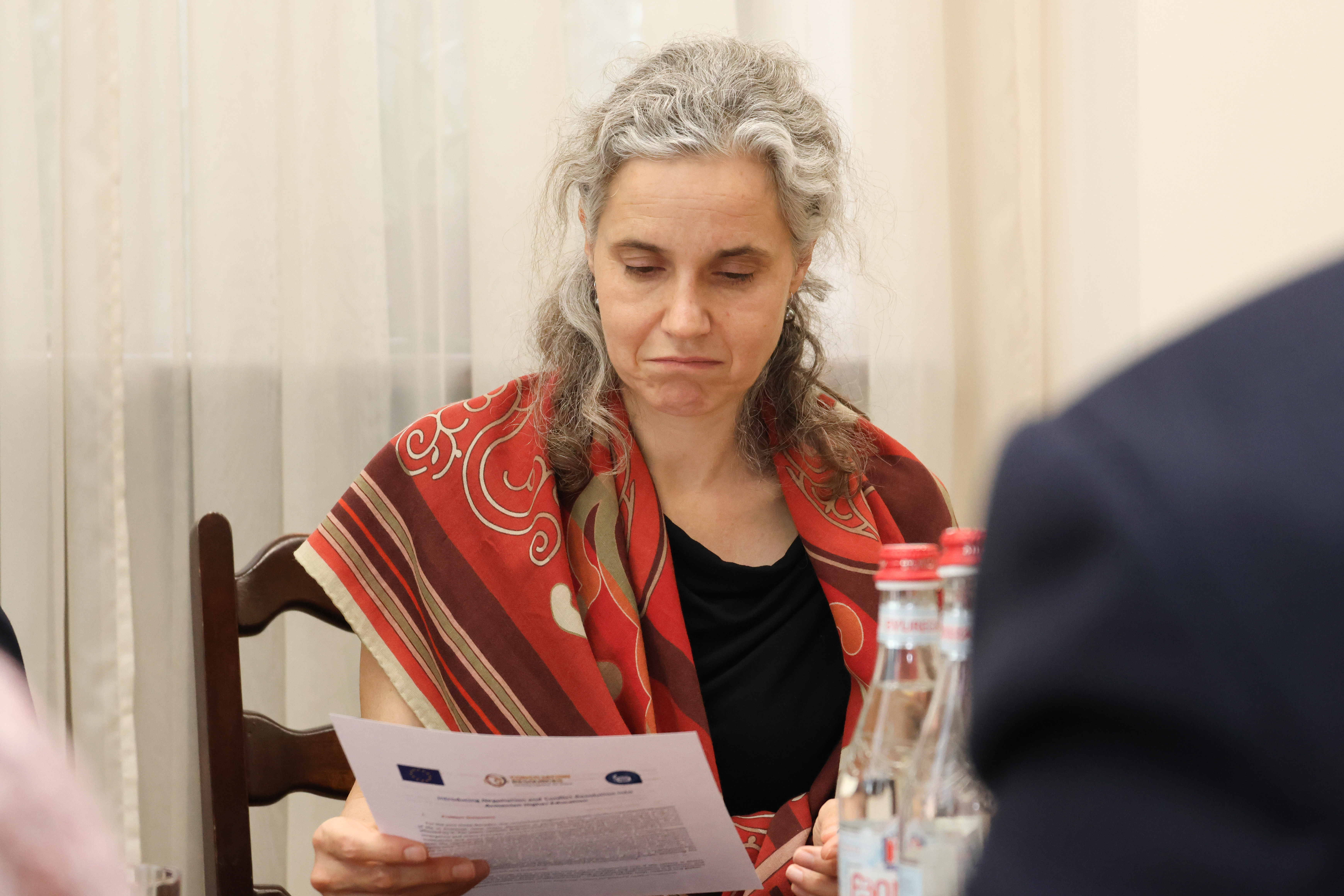
EU Special Representative Magdalena Grono appreciated the work carried out at the university, emphasizing that academic institutions play an important role in the peacebuilding process.
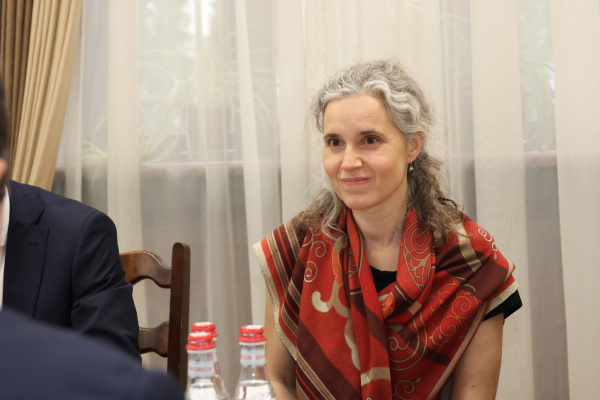
According to her, in addition to the many bilateral Armenia-European Union initiatives, which she said have gained greater momentum over the past year, the EU is also keen to support regional processes as much as possible, first and foremost the peace process.
"We are ready to support work in various areas. Much of it concerns reconciliation efforts, dialogue-building processes and the broadest possible engagement at the civil society level," Grono said.
During the discussion, YSU's social support programs were also presented. In particular, the participants discussed support programs for students and children forcibly displaced from Nagorno-Karabakh. YSU has implemented programs for tuition fee co-financing, accommodation, psychological support, as well as STEM-focused summer schools, thereby supporting the continuity of education and social integration of displaced young people.
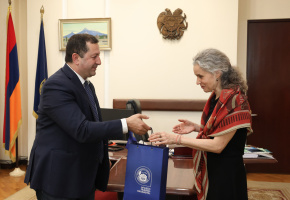
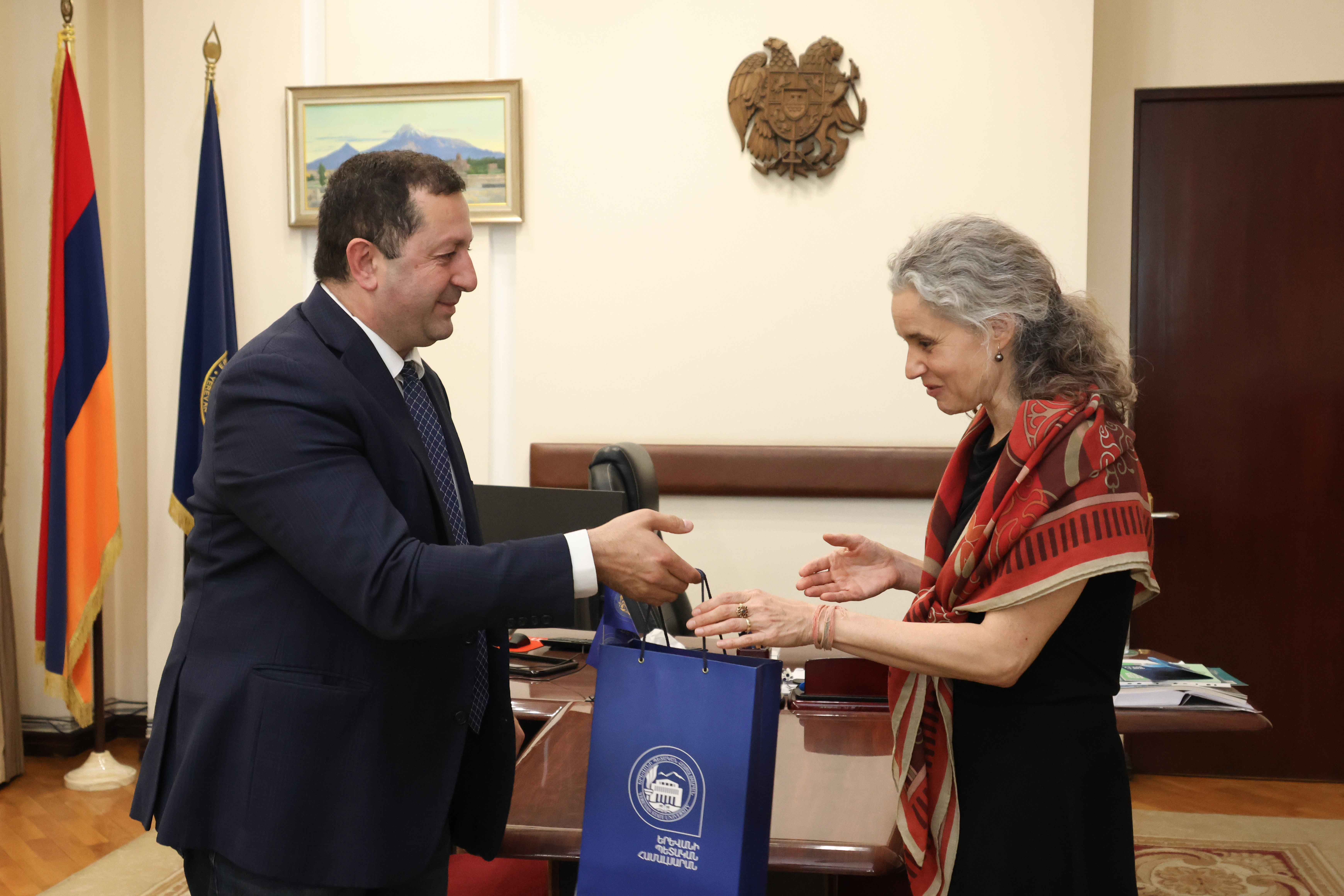
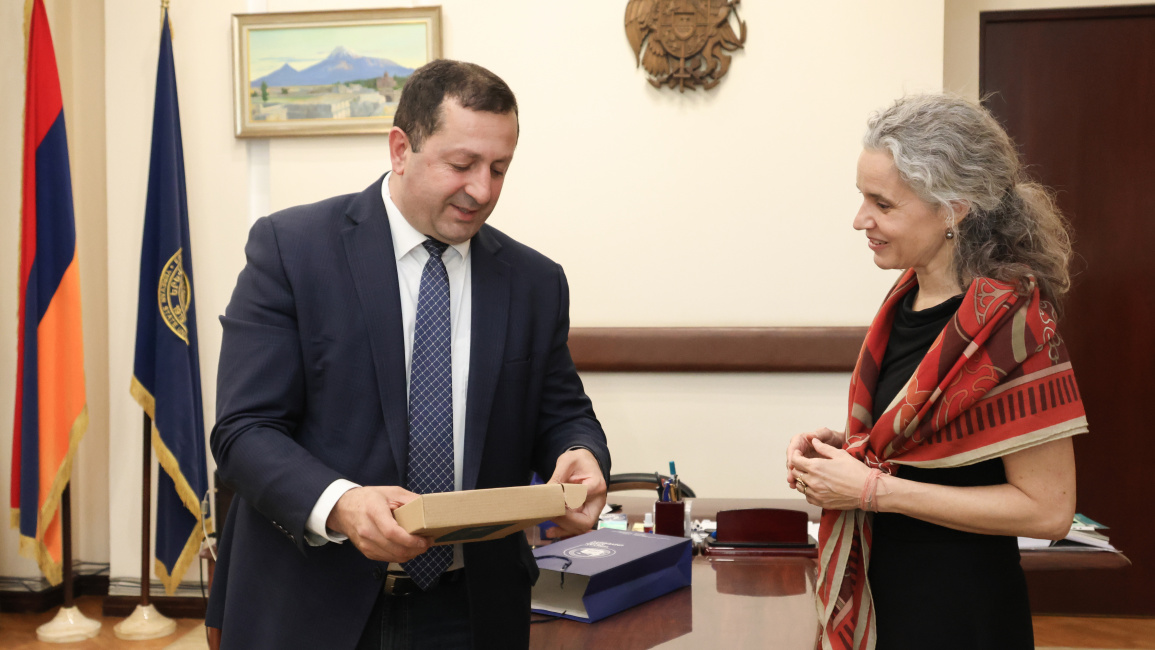
At the close of the meeting, the parties reaffirmed their readiness to expand cooperation in the areas of peace, education and science, emphasizing the important role of universities in building stable and peaceful societies.